
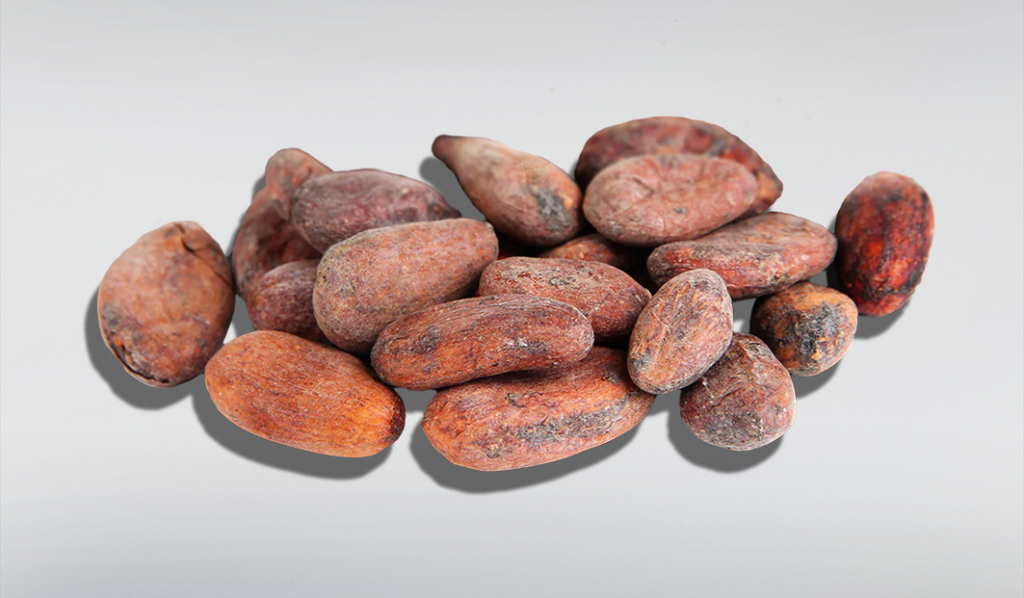
Many consumers have noticed it — chocolate doesn’t taste exactly the same as it used to.
While branding and recipes may appear unchanged, the underlying ingredient — cocoa — has been evolving. Changes at the farm level, in processing, and across global supply chains are quietly reshaping the flavor of chocolate.
This is not a coincidence. It is the result of structural shifts in how cocoa is grown, sourced, and processed in 2026.
Cocoa Is Not a Uniform Ingredient
Cocoa flavor is influenced by multiple variables:
- Origin (country and region)
- Soil composition
- Climate conditions
- Fermentation practices
- Drying methods
Even small changes in any of these factors can alter the final taste profile.
As supply conditions shift globally, the consistency of cocoa flavor is increasingly affected.
Climate Impact on Flavor Profiles
Climate change is not only reducing yields — it is also changing flavor characteristics.
Variations in:
- Rainfall patterns
- Temperature levels
- Humidity during drying
affect how cocoa beans develop internally.
This can lead to:
- More bitterness
- Less complexity
- Inconsistent flavor notes across batches
Chocolate manufacturers must adapt to these variations.
Changes in Fermentation Practices
Fermentation is one of the most critical steps in cocoa processing.
It develops the flavor precursors that define chocolate taste.
However, in a high-pressure supply environment:
- Fermentation may be shortened
- Practices may vary across regions
- Quality control may be inconsistent
These changes can result in flatter or more acidic flavor profiles.
Blending Strategies Are Evolving
To maintain consistency, manufacturers often blend cocoa from multiple origins.
In recent years:
- Supply shortages have forced changes in sourcing regions
- New origins are being introduced into blends
- Traditional flavor profiles are being adjusted
This directly impacts how chocolate tastes, even within the same brand.
The Rise of High-Intensity Cocoa
As sugar reduction trends grow, chocolate formulations are changing.
Lower sugar content means:
- Cocoa flavor becomes more dominant
- Bitterness and acidity are more noticeable
- Subtle flavor notes become more important
This shift is particularly visible in dark and premium chocolate segments.
Processing Adjustments in Manufacturing
Manufacturers are also adapting their processes:
- Roasting profiles are being adjusted
- Grinding and conching times are optimized differently
- Alternative ingredients are introduced to manage cost
These technical changes influence texture, aroma, and taste.
The Role of Supply Constraints
Limited availability of high-quality cocoa forces manufacturers to:
- Use alternative grades
- Adjust formulations
- Rebalance flavor profiles
This is especially noticeable in mass-market chocolate products.
Premium brands may maintain quality, but often at higher price points.
Consumer Expectations Are Changing
Interestingly, consumers themselves are evolving.
There is growing acceptance of:
- Stronger cocoa flavors
- Less sweetness
- More natural taste profiles
This shift allows manufacturers to experiment with flavor rather than strictly maintain legacy profiles.
Consistency vs Authenticity
The industry is now balancing two competing goals:
- Consistency (same taste every time)
- Authenticity (true expression of cocoa origin)
Premium chocolate increasingly leans toward authenticity, while mass-market products prioritize consistency.
What This Means for the Future
Chocolate flavor will continue to evolve as:
- Climate conditions change
- Supply chains adapt
- Consumer preferences shift
Rather than a single standard taste, the market may move toward a broader range of flavor experiences.
Conclusion
Chocolate tastes different today because cocoa itself is changing.
From farm-level conditions to global sourcing strategies, every stage of the value chain influences the final product.
These changes reflect a deeper transformation in the cocoa industry — one driven by environmental pressure, supply dynamics, and evolving consumer expectations.