
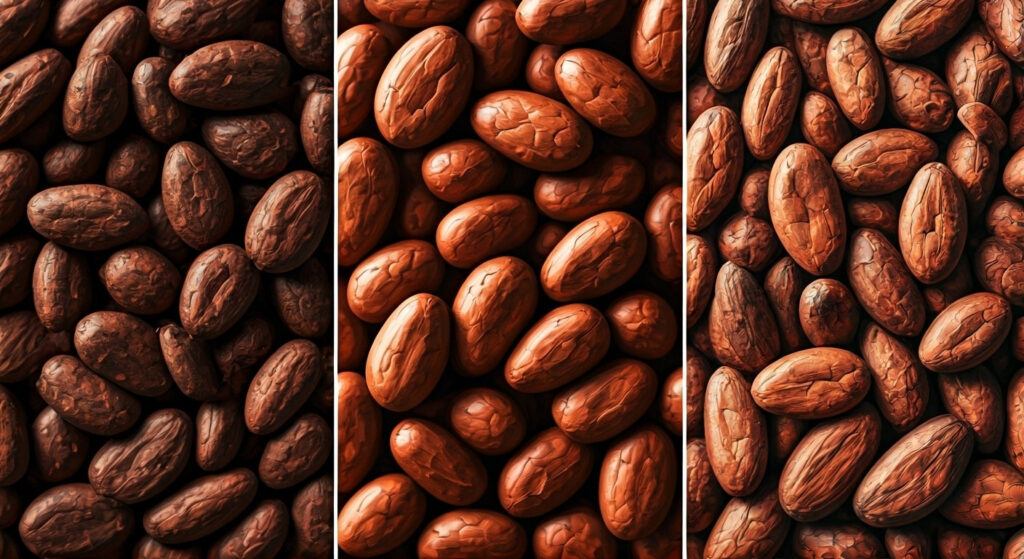
For decades, the global cocoa market was driven primarily by volume. The focus was simple: produce more, trade more, and reduce costs. However, in recent years — especially by 2026 — a clear shift has emerged.
Quality is now overtaking quantity as the defining factor in cocoa trade.
This transformation is not accidental. It is the result of changing consumer expectations, supply constraints, and the growing importance of traceability and sustainability.
From Commodity to Differentiated Product
Traditionally, cocoa was treated as a bulk commodity. Buyers focused on:
- Price per metric ton
- Availability
- Basic grade classification
Today, the market is evolving toward differentiation.
Cocoa is increasingly evaluated based on:
- Origin (single-origin vs blended)
- Flavor profile
- Fermentation quality
- Traceability and certification
This shift is similar to what has already happened in coffee and wine markets.
Why Premium Cocoa Is Gaining Demand
Several factors are driving the rise of premium cocoa:
1. Consumer Awareness
Consumers are more informed about what they consume. They seek:
- Transparency
- Ethical sourcing
- High-quality ingredients
2. Growth of Dark and Artisan Chocolate
Dark chocolate and craft chocolate brands emphasize cocoa itself rather than added ingredients.
This increases demand for high-quality beans.
3. Reduced Supply of High-Grade Beans
Not all cocoa is equal. Premium-grade beans require:
- Proper fermentation
- Careful drying
- Skilled handling
With supply constraints, high-quality cocoa becomes even more valuable.
Flavor as a Competitive Advantage
Premium cocoa introduces complexity in flavor, including:
- Fruity notes
- Nutty undertones
- Floral characteristics
- Balanced bitterness
For chocolate manufacturers, this allows product differentiation without relying on excessive sugar or additives.
Flavor is becoming a key selling point in premium markets.
The Role of Origin and Traceability
Buyers increasingly want to know:
- Where the cocoa was grown
- How it was processed
- Who produced it
Traceability provides:
- Quality assurance
- Ethical sourcing validation
- Compliance with international standards
Single-origin cocoa, in particular, is gaining popularity for its consistency and identity.
Economic Impact on Farmers
The rise of premium cocoa can positively impact producers.
When structured correctly, it enables:
- Better pricing for higher-quality beans
- Incentives for improved farming practices
- Long-term partnerships with buyers
This creates a more sustainable and stable supply system.
Challenges in Scaling Premium Cocoa
Despite its advantages, premium cocoa faces challenges:
- Limited production capacity
- Higher processing requirements
- Need for farmer training and support
- Consistency across batches
Scaling quality is more complex than scaling volume.
This is why structured sourcing models are essential.
How Buyers Are Adapting
Procurement strategies are evolving to prioritize quality.
Key approaches include:
- Direct sourcing relationships
- Long-term supply agreements
- Investment in origin-level improvements
- Quality-focused contract specifications
Buyers are moving away from purely price-driven decisions.
The Link Between Sustainability and Quality
Sustainability and quality are increasingly interconnected.
Practices such as:
- Agroforestry
- Soil health management
- Controlled fermentation
not only protect the environment but also improve cocoa quality.
This alignment strengthens both environmental and commercial outcomes.
What This Means for the Future
The cocoa market is entering a new phase:
- Bulk cocoa will remain important
- But premium cocoa will drive value growth
Manufacturers, traders, and farmers who adapt to this shift will be better positioned for long-term success.