
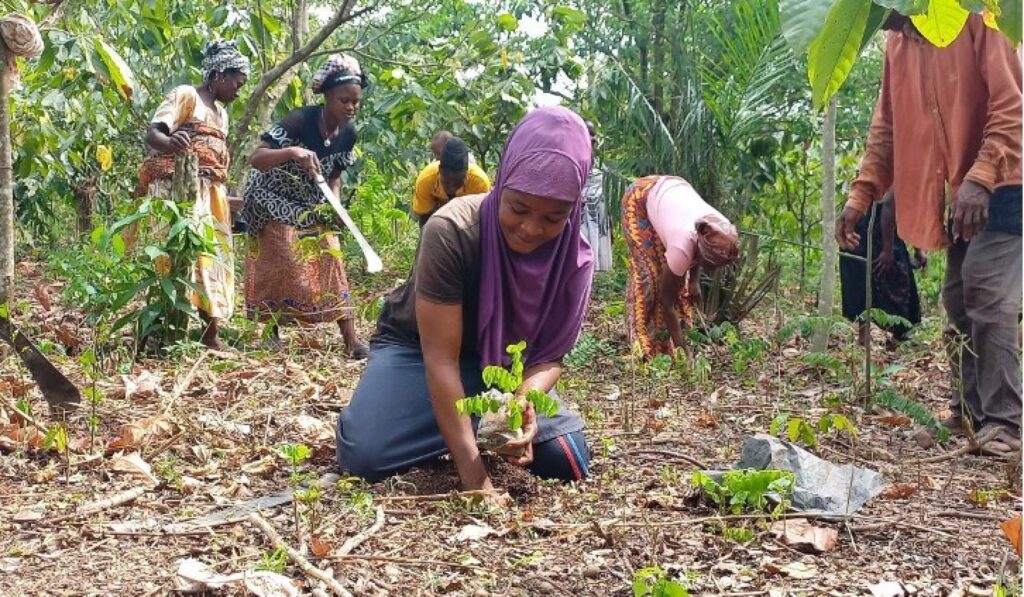
The global cocoa industry stands at a turning point. For decades, cocoa farming has supported millions of livelihoods and fueled a multi-billion-dollar chocolate market. Yet by 2026, the sustainability of cocoa farming itself is under serious question.
Rising demand, declining productivity, climate pressure, and economic imbalance are forcing the industry to rethink how cocoa is grown, managed, and sustained.
The future of chocolate depends on the future of cocoa farming.
The Core Challenge: Productivity vs Sustainability
Cocoa farming faces a fundamental dilemma:
- Increase production to meet demand
- Maintain environmental balance
- Ensure farmers earn sustainable incomes
Historically, the focus has been on increasing output. However, this approach has often led to:
- Soil degradation
- Deforestation
- Declining long-term productivity
The next phase of cocoa farming must balance productivity with sustainability.
Aging Farms and Declining Yields
One of the most pressing issues is the condition of cocoa farms.
Many plantations:
- Have aging trees with reduced yield
- Use outdated farming techniques
- Lack access to modern inputs
Replanting is not a quick solution. New cocoa trees take several years to become productive, creating a gap between investment and return.
Without large-scale renewal efforts, global production capacity will continue to weaken.
Climate Change Is Reshaping Cocoa Geography
Cocoa thrives within a narrow climate range.
However, changing conditions are:
- Reducing suitability in traditional regions
- Increasing heat stress on crops
- Disrupting rainfall patterns
Some areas may become less viable for cocoa farming, while new regions may emerge as alternatives.
This shift will redefine global cocoa geography over the next decade.
The Role of Agroforestry
Agroforestry is gaining attention as a long-term solution.
This approach integrates cocoa trees with:
- Shade trees
- Biodiversity systems
- Soil protection methods
Benefits include:
- Improved resilience to climate stress
- Enhanced soil health
- Reduced environmental impact
Agroforestry not only supports sustainability but also improves the quality of cocoa beans.
Farmer Economics: The Foundation of the Industry
Cocoa farming cannot survive without viable farmer incomes.
Key challenges include:
- Low and unstable earnings
- Rising costs of inputs and labor
- Limited access to financing
When farming is not economically sustainable, producers may abandon cocoa altogether or switch to alternative crops.
Improving farmer income is essential for long-term supply stability.
Technology and Training
Modernizing cocoa farming requires both tools and knowledge.
Important developments include:
- Mobile-based advisory systems
- Data-driven farm management
- Improved fermentation techniques
- Training programs for farmers
Technology alone is not enough — it must be supported by education and accessibility at the farm level.
Sustainability as a Requirement, Not an Option
Sustainability is no longer optional in cocoa trade.
Buyers increasingly require:
- Traceable supply chains
- Ethical labor practices
- Environmental compliance
These requirements are reshaping how cocoa is produced and traded.
Producers who adapt will have better access to premium markets.
The Risk of Supply Instability
If current challenges are not addressed, the cocoa industry may face:
- Continued supply shortages
- Increased price volatility
- Reduced availability of high-quality beans
This creates long-term uncertainty for manufacturers and consumers alike.
Building a Resilient Cocoa Farming System
The future of cocoa farming depends on coordinated action across the value chain.
Key priorities include:
- Investment in farm renewal
- Fair and stable pricing mechanisms
- Adoption of sustainable farming practices
- Strengthening farmer support systems
No single solution can address all challenges. A holistic approach is required.
What This Means for the Industry
For buyers and manufacturers:
- Long-term sourcing strategies will become essential
- Direct engagement with origin will increase
- Sustainability compliance will shape procurement decisions
For farmers:
- Opportunities exist in premium and traceable cocoa markets
- Adoption of improved practices can enhance income and stability
Conclusion
The future of cocoa farming is uncertain, but not without opportunity.
The industry is undergoing a transition from:
- Volume-driven production
to - Sustainability-driven growth
This transformation will determine whether cocoa remains a viable crop in the next decade.
For the global chocolate industry, the message is clear: