
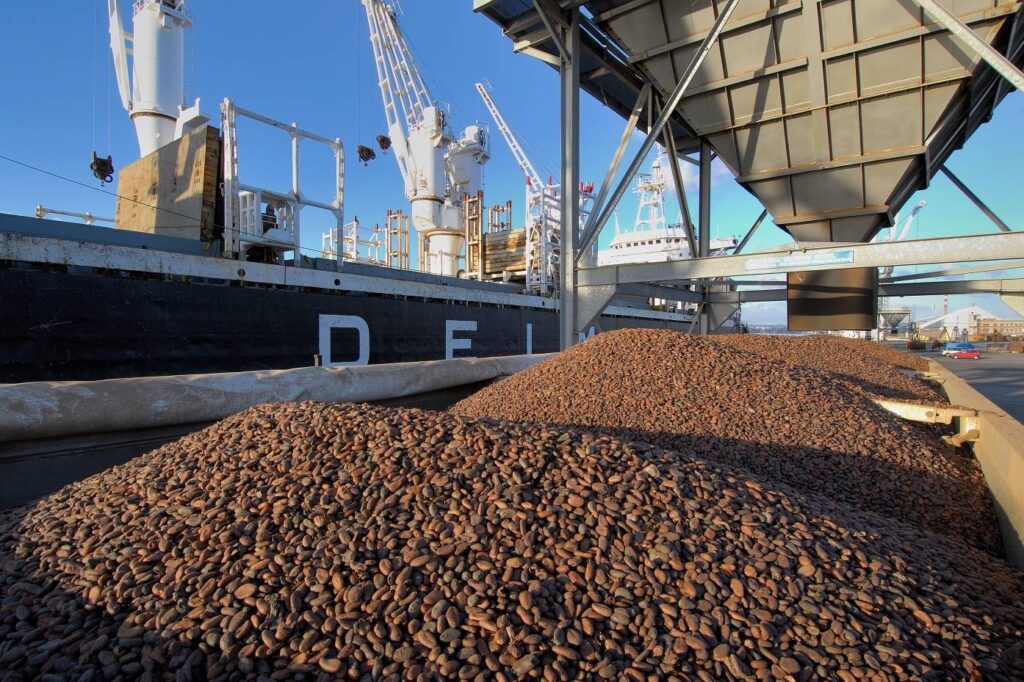
Cocoa may appear simple at the surface — harvested on farms and delivered to chocolate manufacturers. In reality, it is one of the most complex agricultural supply chains in global trade.
By 2026, this complexity has increased significantly. Climate pressure, regulatory requirements, and logistics challenges have made coordination across the cocoa value chain more critical than ever.
For buyers and suppliers alike, success now depends not just on sourcing cocoa, but on managing how it moves.
The Cocoa Supply Chain: A Multi-Layered System
The cocoa journey involves multiple stages:
- Farming and harvesting
- Fermentation and drying
- Aggregation and local trading
- Export preparation and documentation
- International shipping
- Import clearance and processing
Each stage involves different stakeholders, timelines, and risks.
A disruption at any point can affect the entire chain.
Where Things Go Wrong
In an unstructured supply chain, common issues include:
- Delayed harvesting or poor post-harvest handling
- Inconsistent quality due to weak fermentation control
- Misalignment between export readiness and shipment schedules
- Documentation errors causing port delays
- Logistics bottlenecks at key transit points
These issues compound quickly, especially for large-volume buyers.
The Cost of Poor Coordination
Lack of coordination leads to tangible losses:
- Shipment delays impacting production schedules
- Increased demurrage and storage costs
- Quality degradation during transit
- Contract disputes due to mismatched specifications
For manufacturers, these risks translate directly into operational and financial inefficiencies.
Why Coordination Is Becoming Critical in 2026
Several trends have increased the importance of coordination:
1. Supply Constraints
With tighter global supply, there is less room for error.
2. Regulatory Requirements
Documentation and compliance standards are more demanding than ever.
3. Sustainability Expectations
Traceability requires alignment across all stages of the supply chain.
4. Logistics Volatility
Shipping delays and cost fluctuations require proactive planning.
The Role of Structured Supply Models
Structured sourcing introduces discipline into the supply chain.
It focuses on:
- Pre-validating origin capacity
- Aligning delivery schedules with harvest cycles
- Defining quality specifications upfront
- Coordinating logistics and documentation before shipment
This reduces uncertainty and improves execution reliability.
Digital Tools and Visibility
Modern supply chains are increasingly supported by digital systems.
These tools enable:
- Real-time tracking of shipments
- Better inventory planning
- Data-driven decision-making
- Improved communication between stakeholders
While technology does not eliminate risk, it improves visibility and responsiveness.
Strengthening Origin Relationships
Coordination begins at the source.
Strong relationships with:
- Farmers
- Cooperatives
- Aggregators
help ensure:
- Consistent quality
- Reliable supply
- Better communication
Direct engagement at origin reduces dependency on fragmented supply networks.
Logistics as a Strategic Function
Logistics is no longer just an operational task — it is a strategic component of cocoa sourcing.
Effective logistics management includes:
- Route optimization
- Port selection
- Shipment timing alignment
- Documentation synchronization
Well-coordinated logistics can significantly reduce cost and risk.
Building Resilient Cocoa Supply Chains
A resilient supply chain is not defined by the absence of disruption, but by the ability to manage it.
Key elements include:
- Diversified sourcing regions
- Phased allocation strategies
- Strong documentation processes
- Integrated logistics planning
These components work together to maintain stability even under pressure.
Conclusion
The cocoa supply chain in 2026 is more complex, regulated, and risk-sensitive than ever before.
In this environment, coordination is not optional — it is essential.
From farm-level practices to final delivery, every stage must align with:
- Quality expectations
- Contract terms
- Logistics timelines
- Compliance requirements
For businesses operating in the cocoa industry, the ability to coordinate effectively across the value chain will define long-term success.